May. 23, 2026
Ionic Bonds vs. Covalent Bonds: What Is the Difference?
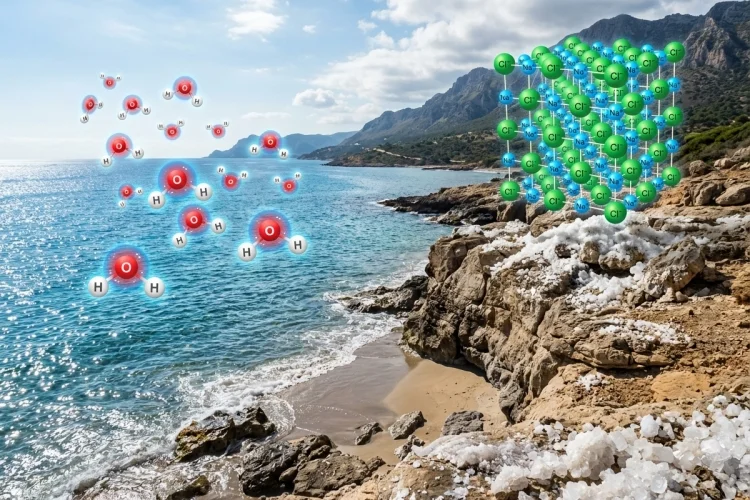
Salt dissolves in water, sugar melts when heated, and copper carries electricity through a wire. These materials behave differently partly because their atoms are connected

May. 23, 2026
Salt dissolves in water, sugar melts when heated, and copper carries electricity through a wire. These materials behave differently partly because their atoms are connected
May. 19, 2026

Look around you. The water in your glass, the salt on your food, the oxygen in the air, and the materials inside your phone all